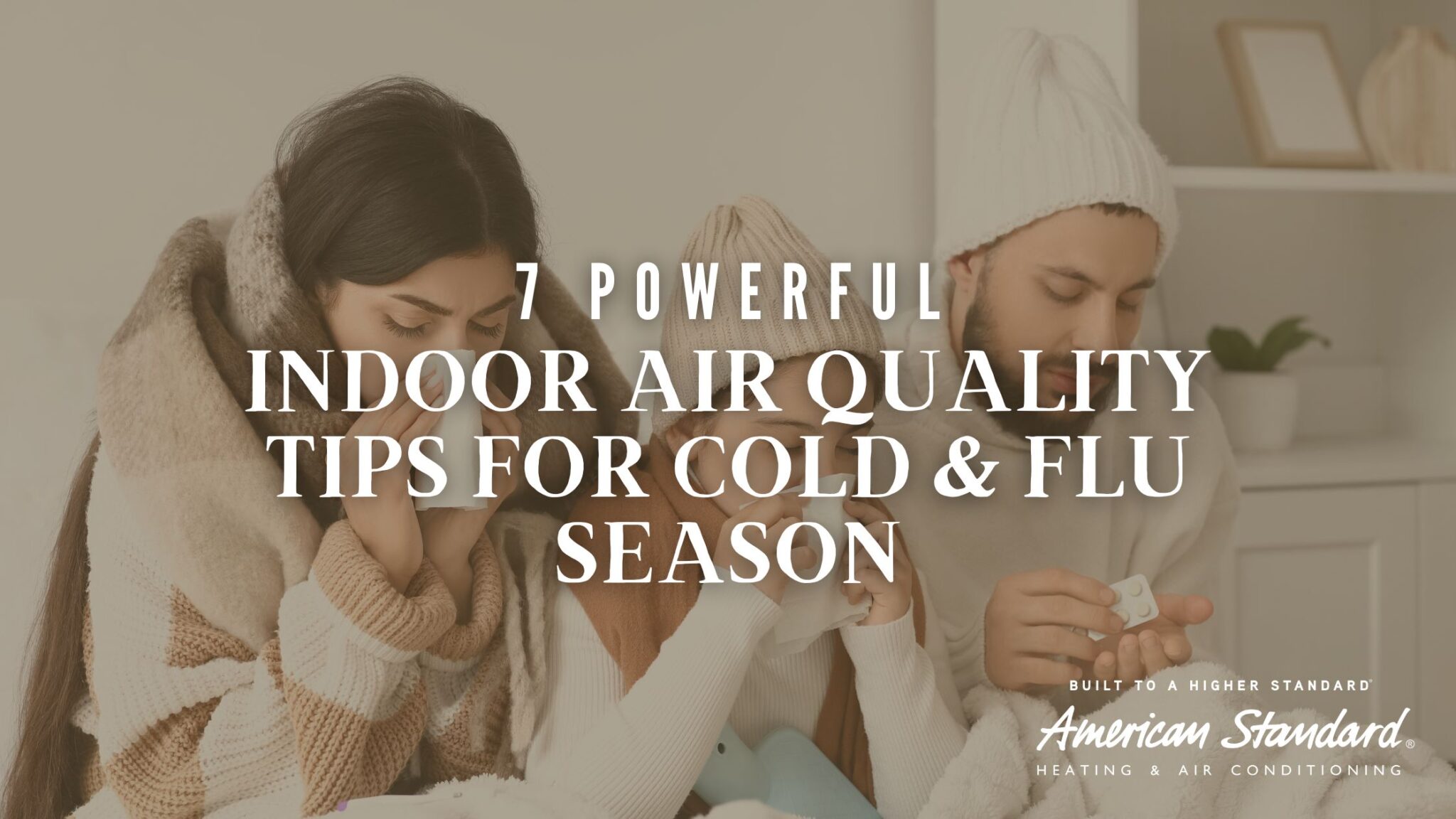
7 Powerful Indoor Air Quality Tips for Cold & Flu Season
As temperatures begin to drop across Huntsville and Madison County, Alabama, families naturally spend more time indoors. While cooler weather often means cozy evenings and holiday gatherings, it also marks the beginning of cold and flu season.
During this time of year, indoor air quality becomes more important than ever. Because homes are typically sealed tighter to keep warm air inside, airborne contaminants such as dust, allergens, bacteria, viruses, and other pollutants can become trapped indoors. Poor indoor air quality can contribute to respiratory irritation, allergy symptoms, and increased discomfort during the months when families are already dealing with seasonal illnesses.
The good news is that homeowners can take proactive steps to create a healthier indoor environment. Your HVAC system plays a significant role in maintaining indoor air quality, controlling humidity, improving airflow, and filtering airborne particles.
In this guide, we’ll explore 7 powerful indoor air quality tips for cold & flu season to help your family breathe easier and stay more comfortable throughout the winter months.
Why Indoor Air Quality Matters During Cold & Flu Season
Many people assume outdoor air pollution is the primary concern, but indoor air can often contain higher concentrations of pollutants than outdoor air.
During cold weather, homes are typically closed up, limiting fresh air circulation. This can allow contaminants to accumulate, including:
- Dust and dust mites
- Pet dander
- Mold spores
- Pollen
- Household chemicals
- Bacteria
- Airborne viruses
When these particles circulate through your home, they may contribute to symptoms such as:
- Congestion
- Sneezing
- Coughing
- Headaches
- Dry throat
- Fatigue
- Respiratory irritation
Improving indoor air quality helps create a healthier living environment and supports overall comfort during cold and flu season.
1. Replace HVAC Air Filters Regularly
One of the simplest and most effective ways to improve indoor air quality is by replacing HVAC air filters on a consistent schedule.
Your HVAC filter serves as the first line of defense against airborne contaminants. Over time, filters collect:
- Dust
- Pollen
- Pet dander
- Mold spores
- Other particles
As filters become clogged, airflow decreases and your system becomes less effective at filtering indoor air.
Best practices include:
- Checking filters monthly
- Replacing filters every 1–3 months
- Using high-quality filters when appropriate
- Following manufacturer recommendations
Clean filters support both indoor air quality and HVAC efficiency, helping your system perform better throughout the winter season.
2. Schedule Professional HVAC Maintenance
Routine HVAC maintenance does more than improve heating efficiency—it also supports healthier indoor air.
Professional maintenance helps ensure:
- Proper airflow
- Clean system components
- Effective filtration
- Safe operation
- Balanced indoor comfort
During a maintenance visit, technicians inspect critical system components and identify issues that could affect air quality.
For Huntsville homeowners, scheduling heating system maintenance before winter temperatures arrive can help reduce airborne contaminants while improving system reliability.
3. Maintain Proper Indoor Humidity Levels
Humidity plays a major role in indoor comfort and air quality.
When indoor air becomes too dry, homeowners may experience:
- Dry skin
- Irritated sinuses
- Sore throats
- Increased respiratory discomfort
On the other hand, excessive humidity can encourage:
- Mold growth
- Dust mites
- Musty odors
Most homes benefit from maintaining indoor humidity levels between 30% and 50%.
A properly functioning HVAC system helps regulate moisture levels, creating a more comfortable and healthier indoor environment during cold and flu season.
4. Improve Air Circulation Throughout Your Home
Poor airflow can allow airborne particles to accumulate in certain areas of the home.
Proper air circulation helps:
- Distribute filtered air
- Maintain consistent temperatures
- Reduce stagnant air
- Improve overall comfort
Simple ways to improve circulation include:
- Keeping vents open and unobstructed
- Using ceiling fans when appropriate
- Keeping interior doors open when possible
- Scheduling duct inspections if airflow issues exist
Balanced airflow helps your HVAC system work more efficiently while supporting cleaner indoor air.
5. Consider Whole-Home Air Purification Solutions
Many homeowners are turning to advanced indoor air quality technologies for additional protection during cold and flu season.
Whole-home solutions can help address airborne contaminants throughout the entire house.
Options may include:
- Whole-home air purifiers
- Enhanced filtration systems
- UV air purification systems
- Air cleaning technologies integrated with HVAC equipment
Unlike portable units that only treat individual rooms, whole-home systems help improve air quality throughout the entire living space.
These solutions can be particularly beneficial for families with allergies, asthma, or respiratory sensitivities.
6. Keep Your Home Clean to Reduce Airborne Particles
Good housekeeping practices contribute significantly to indoor air quality.
Dust and allergens can quickly accumulate on surfaces and become airborne through daily activity.
Helpful cleaning habits include:
- Vacuuming regularly
- Dusting frequently
- Washing bedding weekly
- Cleaning upholstery
- Mopping hard floors
Homes with pets may require more frequent cleaning to reduce pet dander and fur accumulation.
Combining proper cleaning with effective HVAC filtration provides a comprehensive approach to improving indoor air quality.
7. Monitor Indoor Air Quality and Address Warning Signs
Many homeowners are unaware of indoor air quality issues until symptoms begin to appear.
Watch for signs such as:
- Excess dust buildup
- Persistent odors
- Increased allergy symptoms
- Dry indoor air
- Frequent coughing or sneezing
- Uneven temperatures
These warning signs may indicate that your HVAC system or indoor air quality strategy needs attention.
Addressing problems early can improve comfort and help create a healthier home environment throughout the season.
Additional Ways to Support Healthy Indoor Air
Beyond HVAC maintenance and filtration, several simple habits can help improve indoor air quality:
Remove Shoes at the Door
Shoes can track dirt, pollen, and contaminants into your home.
Use Kitchen and Bathroom Exhaust Fans
Proper ventilation helps remove moisture and airborne pollutants.
Limit Indoor Pollutant Sources
Reduce the use of harsh chemical cleaners and aerosol products whenever possible.
Keep Pets Groomed
Regular grooming helps reduce pet dander and improves overall cleanliness.
Change Bedding Frequently
Fresh bedding helps minimize dust mites and allergens.
These small steps work together to create a cleaner indoor environment.
How HVAC Systems Support Indoor Air Quality
Many homeowners think of HVAC systems only in terms of heating and cooling.
However, your HVAC system also plays a critical role in:
- Air filtration
- Air circulation
- Humidity management
- Ventilation
- Indoor comfort
When properly maintained, HVAC systems help remove airborne contaminants and create healthier living spaces.
Investing in routine maintenance and indoor air quality solutions can provide year-round benefits for your family.
Frequently Asked Questions (FAQs)
Why is indoor air quality important during cold and flu season?
Because families spend more time indoors during winter, airborne contaminants can accumulate and affect respiratory health and comfort.
How often should HVAC filters be replaced?
Most filters should be checked monthly and replaced every 1–3 months, depending on usage and household conditions.
Can indoor air quality affect cold and flu symptoms?
While indoor air quality cannot prevent illness, cleaner air may help reduce respiratory irritation and improve overall comfort.
What humidity level is best during winter?
Most experts recommend maintaining indoor humidity between 30% and 50%.
Are whole-home air purification systems worth it?
Many homeowners find that whole-home systems provide enhanced air quality benefits, especially for allergy and asthma sufferers.
Contact Us
At Bunns Heating & Air Conditioning, we help Alabama families stay comfortable and breathe easier during cold and flu season by keeping your home’s indoor air clean, healthy, and efficient no matter the weather outside.
Bunns & Bennett is a trusted American Standard Heating & Air Conditioning Customer Care Dealer in Huntsville, AL.
📞 Call us at (256) 536-0967 to schedule a service, and be sure to follow us on Facebook and Instagram for the latest updates and tips. We understand the unique HVAC needs of Madison County and Tennessee Valley families and are dedicated to keeping your home comfortable all year long.